
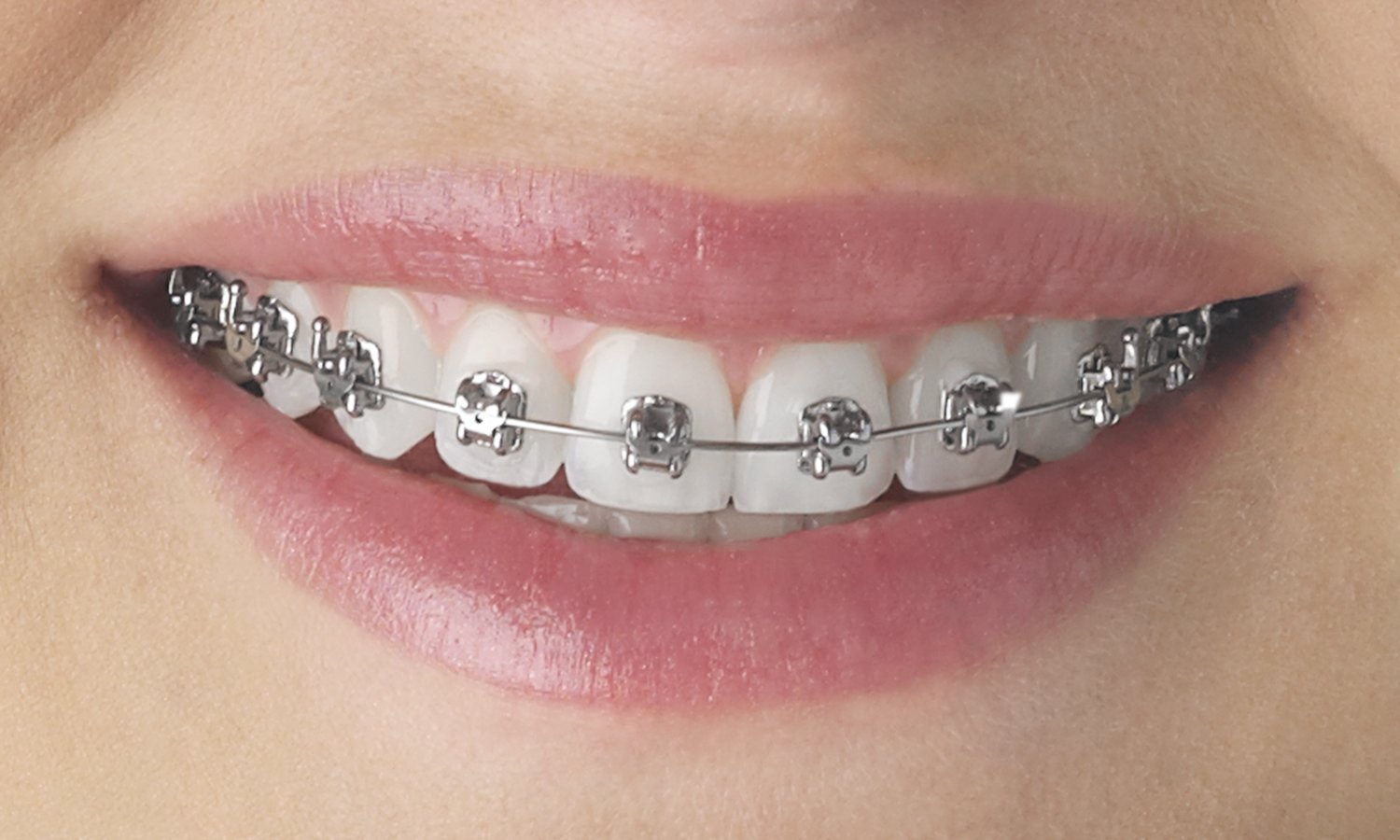
Metal braces
Low-profile modern brackets — the most versatile, predictable way to correct alignment and bite.
The classic years
Braces designed for busy schedules and school sports, with visits planned around real life and progress you can see.
Phase II
Most bite and alignment problems can be diagnosed by about age 12. Phase II uses braces to align the permanent teeth and improve jaw position, timed to your child's growth spurt so we get the strongest result in the shortest time — and, in many cases, avoid surgery later in adulthood.
Low-profile modern brackets — the most versatile, predictable way to correct alignment and bite.
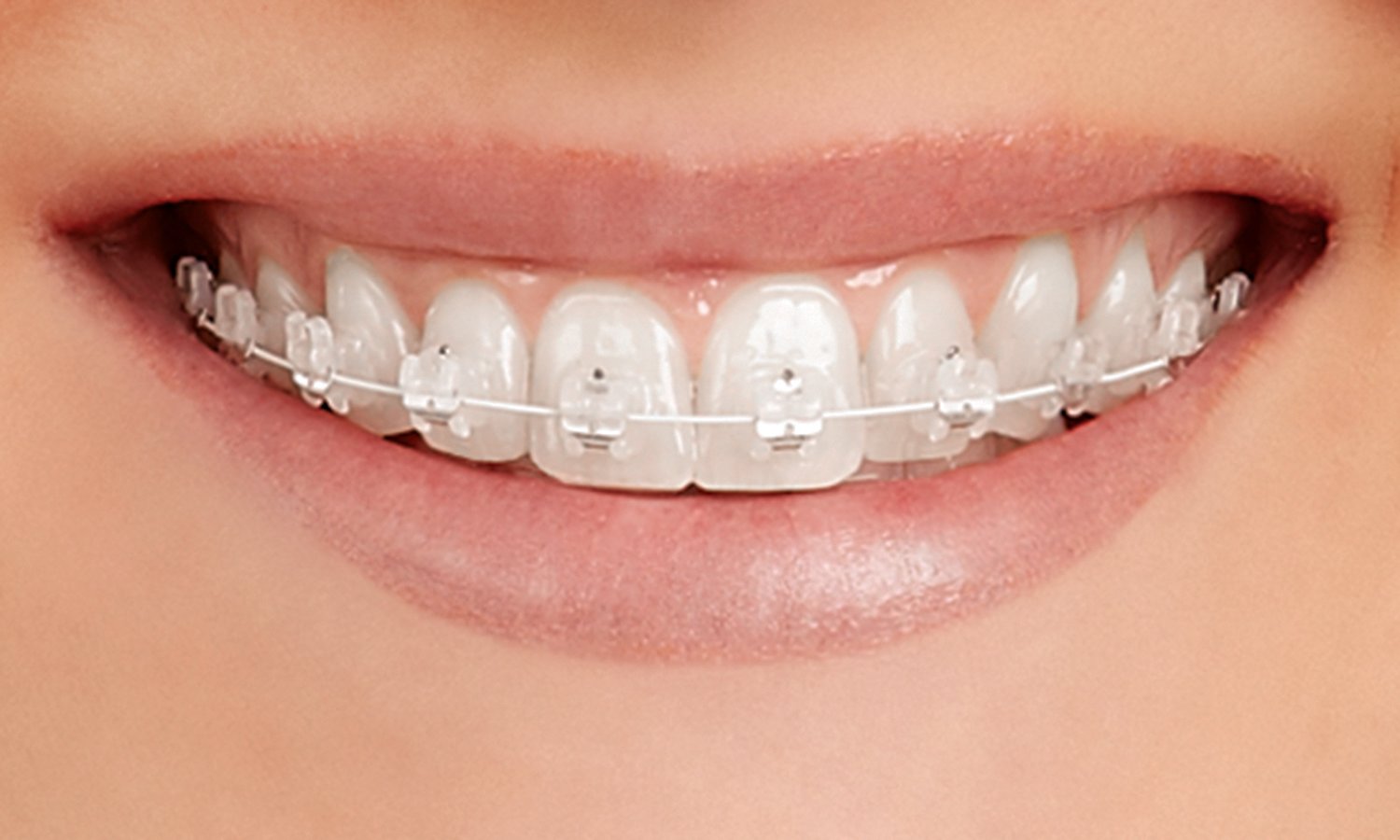
Tooth-colored brackets for patients who want a subtler look with the same control.
What to expect
Braces work by applying gentle, steady pressure that moves teeth over time; most of the work happens between visits, with regular adjustment appointments along the way.
Both move teeth the same way. Metal braces are durable and familiar; ceramic braces use tooth-colored brackets that are less noticeable. The doctor will explain which suits your teen's bite and lifestyle.
Appointments are typically 6–8 weeks apart and vary with individual treatment needs. Visits check progress and adjust wires so teeth keep moving as planned.
Brackets trap food, so brush carefully after meals and floss daily. Hard, sticky and chewy foods can break brackets or bend wires — the team will go over what to avoid. Keep seeing your general dentist for regular cleanings.
Teeth may feel sore for a few days after braces go on or after an adjustment. For a loose bracket or poking wire, see comfort appointments.
Every patient moves into retention. Your treatment price includes one set of retainers — see investment details.