
Treatment by stage of life
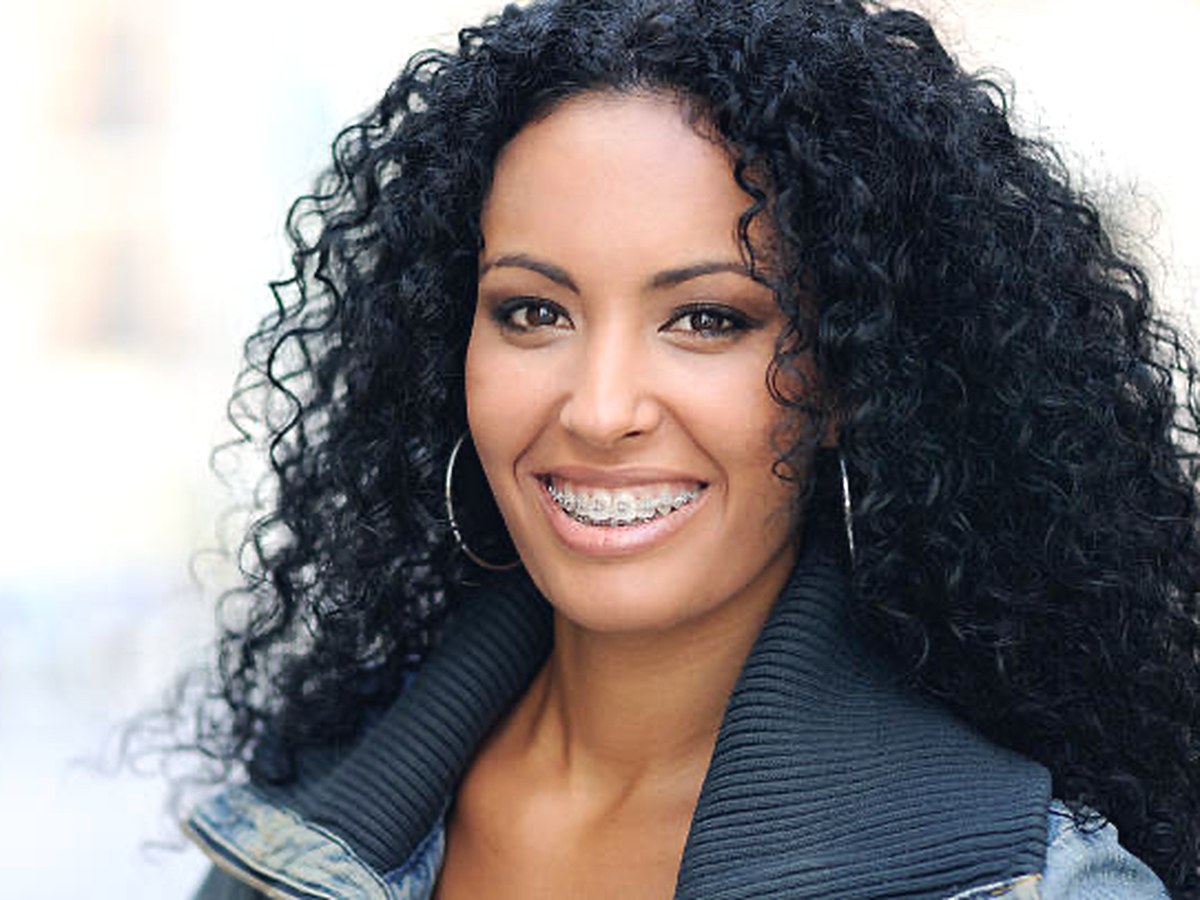
Children may benefit from early, growth-guided care, teens are often treated with metal or ceramic braces, and adult orthodontics addresses crowding, spacing, bite concerns and teeth that have shifted over time.
Treatments
We start with records and a real conversation, then recommend the simplest approach that gets a stable, healthy result.
By age

Early intervention
A first orthodontic check around age 7 lets us monitor growth and step in only when timing makes treatment simpler and shorter.

The classic years
Braces designed for busy schedules and school sports, with visits planned around real life and progress you can see.
Any age
Discreet, efficient treatment for crowding, spacing, bite issues, or teeth that have shifted after earlier orthodontics.
Technology

Our offices are equipped with the latest state-of-the-art technology such as the iTero Lumina™ by Align Technology, which enhances the patient experience and elevates clinical precision through digital scans. The iTero intraoral scanning system is perfect for patients using appliances or Invisalign aligners!
Using a digital scanner, we will take three-dimensional (3-D) digital images, or impressions, of your teeth and bite. These impressions will help us formulate a personalized treatment plan that meets your specific orthodontic needs and desires. We can also use them to visually show you your treatment options and help us keep you up-to-date on your treatment progress. After your specific treatment plan has been chosen, the digital impressions allow us to create customized aligner trays and appliances, with increased efficiency and overall effectiveness.


Choosing a treatment
The right treatment depends on age, growth, the bite and your goals — so every plan starts with an exam, not a menu.
Children may benefit from early, growth-guided care, teens are often treated with metal or ceramic braces, and adult orthodontics addresses crowding, spacing, bite concerns and teeth that have shifted over time.
Teeth naturally tend to move after treatment. A retainer is what keeps the result in place.
Your free consultation includes an estimate of costs. See investment, insurance and payment plans for how pricing works.
What we offer
Low-profile modern brackets — the most versatile, predictable way to correct alignment and bite.
Tooth-colored brackets for patients who want a subtler look with the same control.
A removable, discreet option for appropriate cases — clear trays that straighten teeth without brackets or wires.
Expanders and interceptive treatment that use a child's growth rather than working against it.
Retainers, monitoring, and follow-up so your result holds after treatment ends.
Before & after
Crowding, spacing and bite changes, shown side by side. These are illustrative simulations of typical results — every treatment plan is built around your own smile.
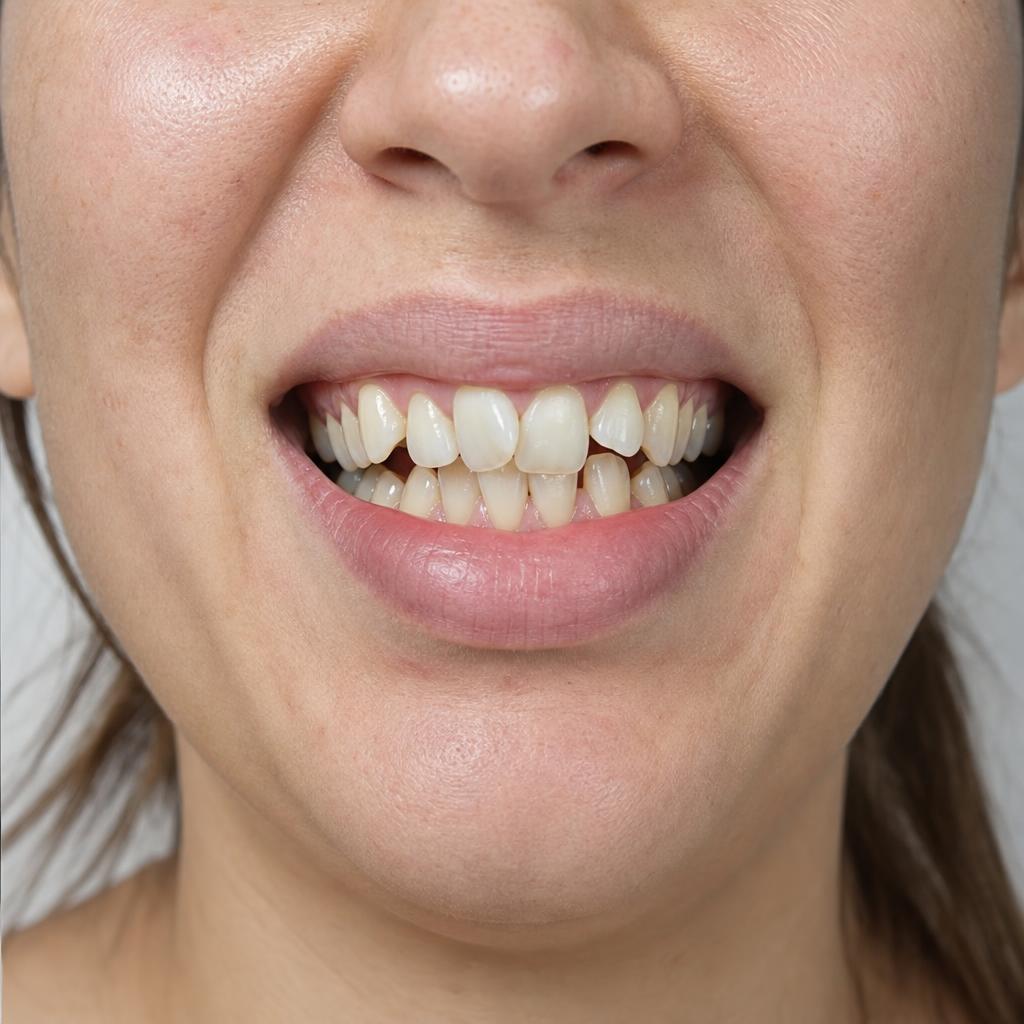
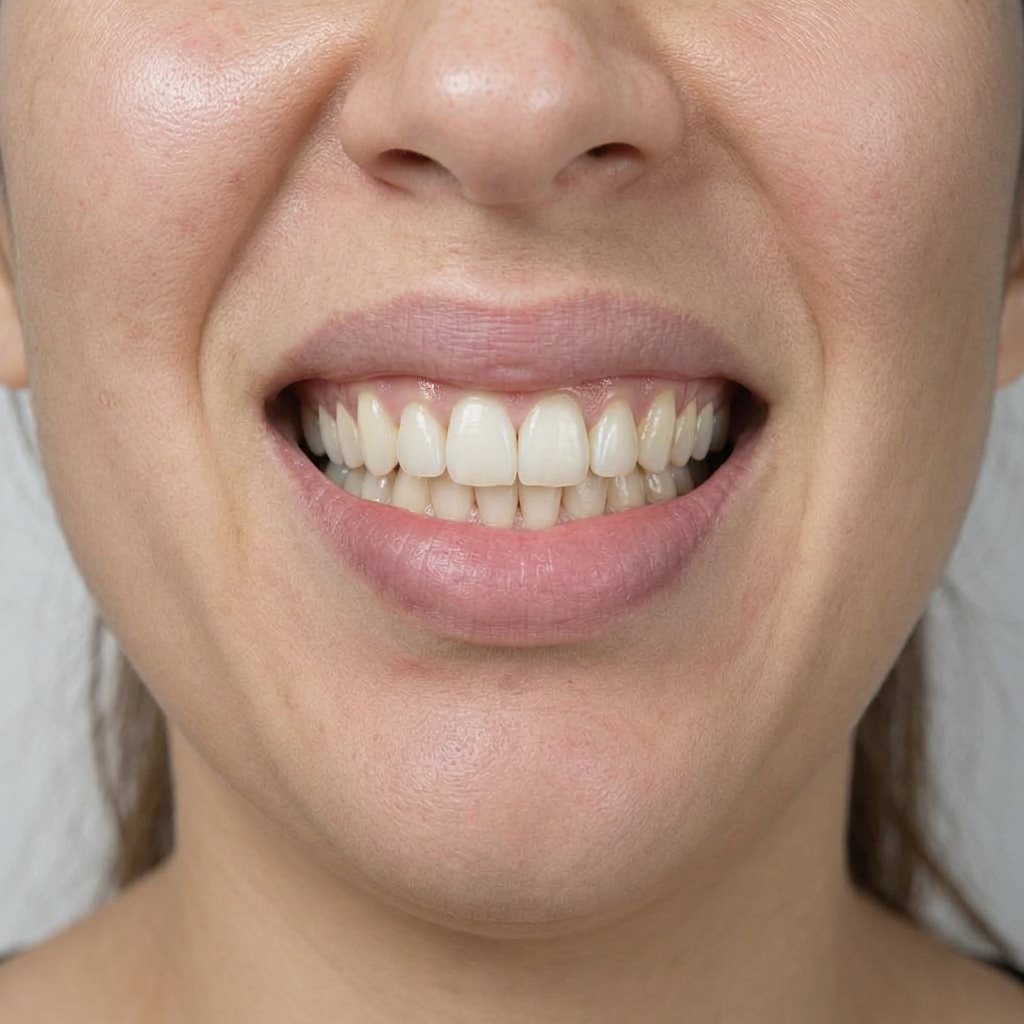
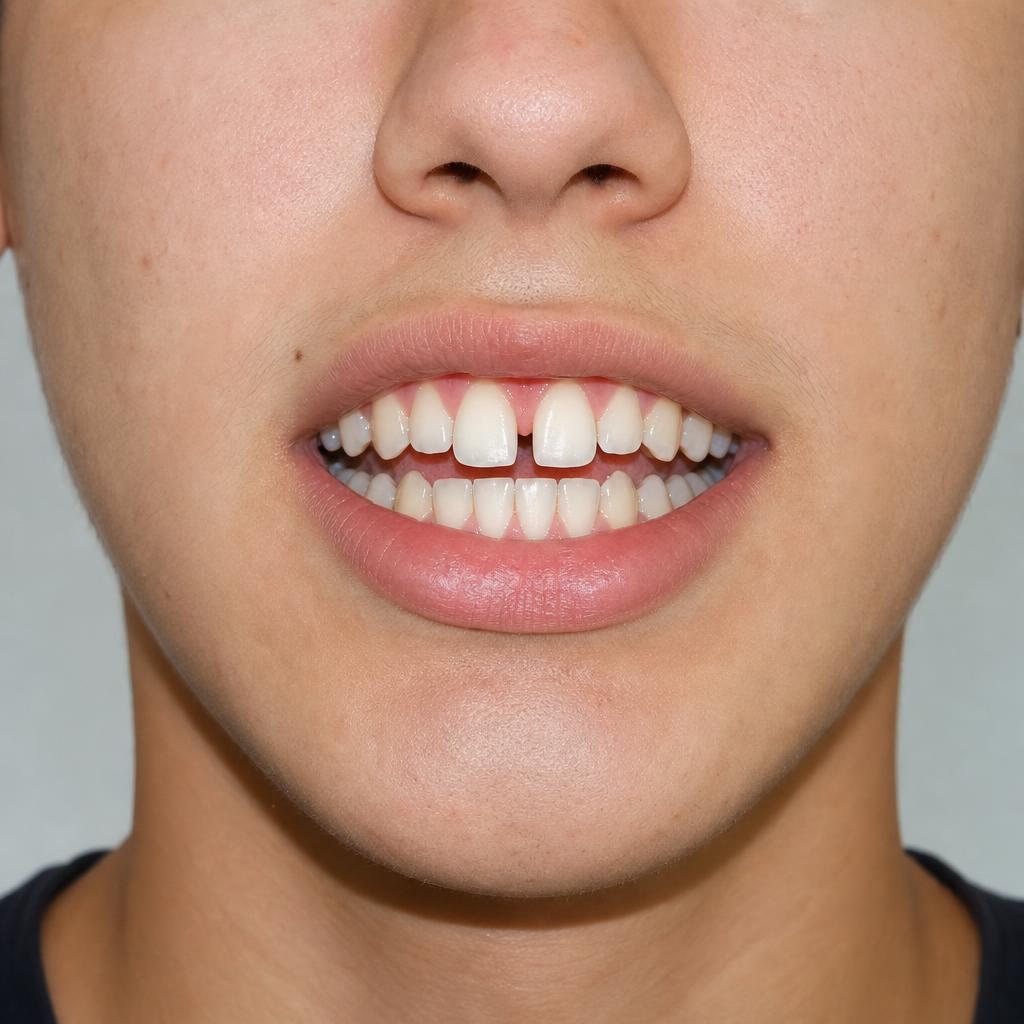
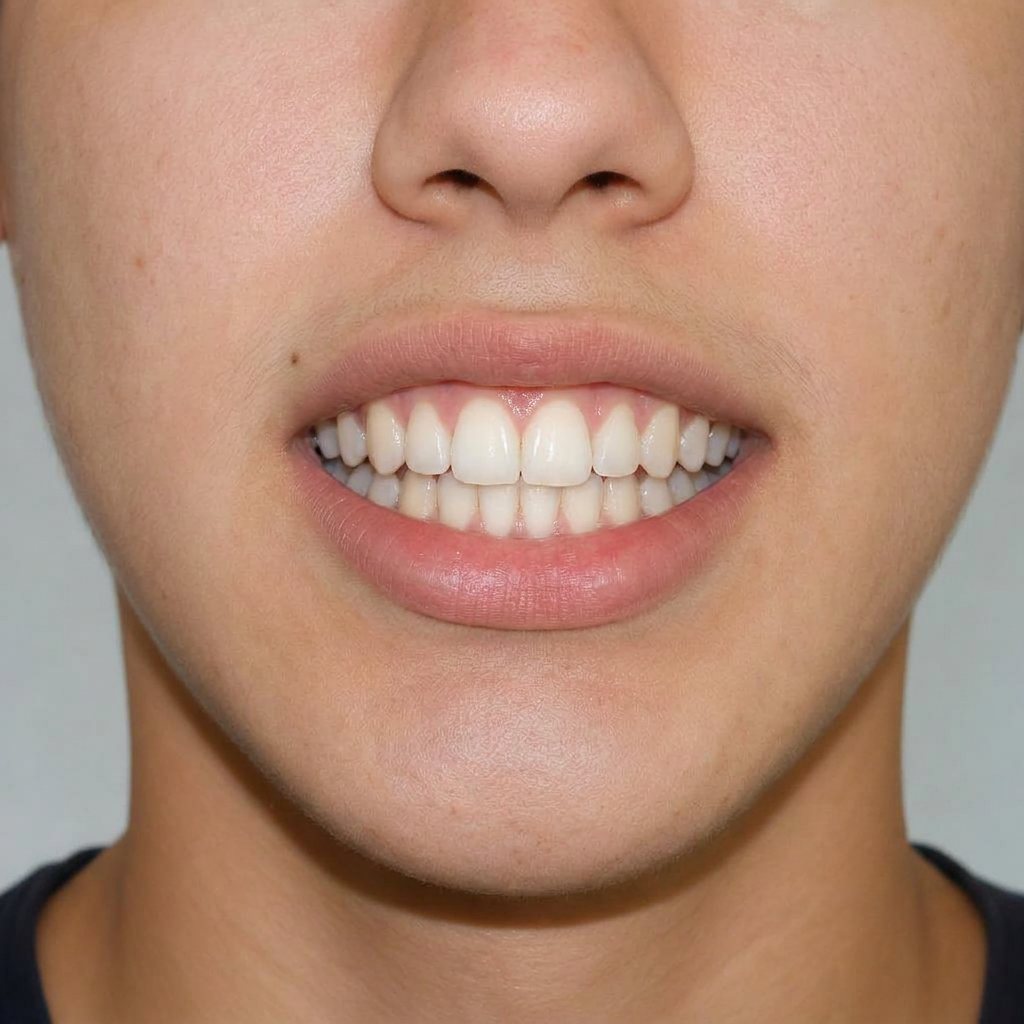
Illustrative examples, not photos of specific patients.
How treatment is timed
Phase I
The American Association of Orthodontists recommends a first orthodontic exam by age 7. At that visit we look at facial development, crowding, crossbites, open bites, airway, tongue position, and swallowing habits. Catching those early lets us guide jaw width and growth patterns instead of working against them — and every Phase I plan is built for the individual child.
Phase II
Most bite and alignment problems can be diagnosed by about age 12. Phase II uses braces to align the permanent teeth and improve jaw position, timed to your child's growth spurt so we get the strongest result in the shortest time — and, in many cases, avoid surgery later in adulthood.
Adults
A confident and healthy smile is for all ages. Whether getting treatment for the first time, revising relapse from earlier care, or preparing for further restorative or surgical care, book a consult today to discuss your treatment goals.
A full orthodontic exam, imaging, and a plain-language walkthrough of your options, timeline, and cost — with no obligation to begin.